
Uganda sits on the equator, but its climate is shaped strongly by altitude, terrain and regional differences. That is why a safari in the north, a gorilla trek in the southwest and a climb in the Rwenzori can feel very different at the same time of year.
So, when should you come?
For most travellers, the easiest periods for a classic Uganda itinerary are June to September and December to February. These are the country's main drier travel windows, generally offering firmer roads and trails, comfortable conditions for game drives and good opportunities for trekking.
That does not make the wetter months a bad choice. Uganda remains open to travellers throughout the year, and the green seasons can bring fewer visitors, lush scenery, strong birding and attractive value.
June–September
One of the most popular periods for safaris, gorilla trekking, chimpanzee tracking and mountain adventures. Trails and roads are generally easier, although rain can still occur in rainforest and mountain environments.
December–February
Warm, generally drier conditions make this another strong all-round period for wildlife, primates, boat cruises and touring. It is especially attractive for travellers combining several regions.
March–May
The landscapes become intensely green and visitor numbers can be lower. Expect wetter roads and muddier forest trails, but excellent scenery and rewarding birding.
October–November
Rain showers can be more frequent, while the countryside becomes lush and vibrant. This can be a compelling shoulder-season choice for flexible travellers seeking quieter parks and good value.

The seasons, month by month
Uganda does not have the rigid four-season calendar familiar to much of Europe or North America. Rainfall patterns are more useful when planning a journey.
| Months | Typical character | Good for |
|---|---|---|
| January–February | Generally dry and warm; some regions can become dusty. | Safari, gorilla and chimp trekking, boat trips, general touring |
| March | Transition toward the wetter period. | Green landscapes, primates, birding, quieter travel |
| April–May | Long-rain period; wetter roads and forest trails. | Birding, photography, lush scenery and value-focused travel |
| June–July | Drier conditions across much of the country, though regional variation matters. | Safari, trekking, hiking and multi-region itineraries |
| August–September | Generally dry in many popular southern and western destinations; mountain and northern conditions vary. | Safari, gorillas, chimps, hiking and outdoor travel |
| October–November | Short-rain period; greener landscapes and intermittent showers. | Birding, photography, quieter parks and flexible itineraries |
| December | Rainfall eases in many areas as the short dry period begins. | Safari, primates, family holidays and festive-season travel |
Choose the season around your experience
Rather than asking only “When is Uganda dry?”, ask what you want to see and do. The answer changes the ideal timing.
What about rain?
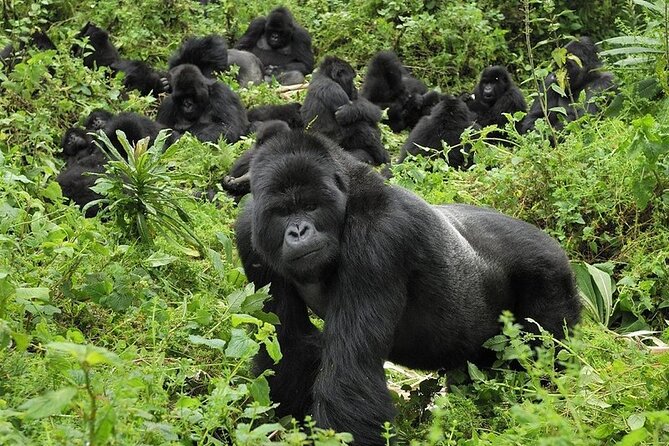
Rain should not automatically be treated as a reason to cancel Uganda. In tropical forests, showers can occur even during a broadly dry season, while a wet-season day may still include long periods of sunshine. The practical difference is that sustained rain can make some unpaved roads slower and forest trails muddier.
The reward is often the landscape itself: fuller rivers, misty hills, fresh vegetation and rich colour. For photographers and travellers who prefer quieter experiences, that atmosphere can be part of the attraction.
“Uganda is not a destination you have to wait for. It is a destination you learn to travel with.”
Regional differences matter
Uganda's weather is not uniform. The southwest, where Bwindi and Mgahinga are located, is wetter and cooler because of altitude and forest. The Rwenzori region can be cold and wet even when lower areas are enjoying sunshine. The northeast, including the Kidepo region, is considerably drier and more semi-arid than the southwest.
This is why a well-designed itinerary should consider the route as a whole rather than relying on a single national “weather forecast”.
How far ahead should you book?
If your journey includes gorilla trekking, it is wise to secure permits and key accommodation well ahead of travel, particularly for the busiest dry-season periods. For general safaris, earlier booking gives you a wider choice of lodges, vehicles and room categories.
For wetter-season travel, flexibility can make it easier to take advantage of quieter parks and better-value accommodation, while still keeping the itinerary comfortable and realistic.
What should you pack?
Whatever month you choose, pack for changing conditions. Lightweight clothing, a waterproof layer, comfortable closed shoes, sun protection, insect repellent and a warm layer for highland areas are useful year-round. If you are trekking, add proper hiking footwear and protection for wet ground.
Our simple recommendation
For a first Uganda journey combining wildlife, primates, landscapes and culture, we would generally favour June–September or December–February. If your priority is quieter travel, greener scenery, birding or value, do not dismiss the wetter months.
Most importantly, build the trip around the experience rather than the calendar. Uganda's equatorial climate means there is no single month that guarantees perfect weather—and that is part of what makes travelling here so rewarding.
Come when Uganda means the most to you.
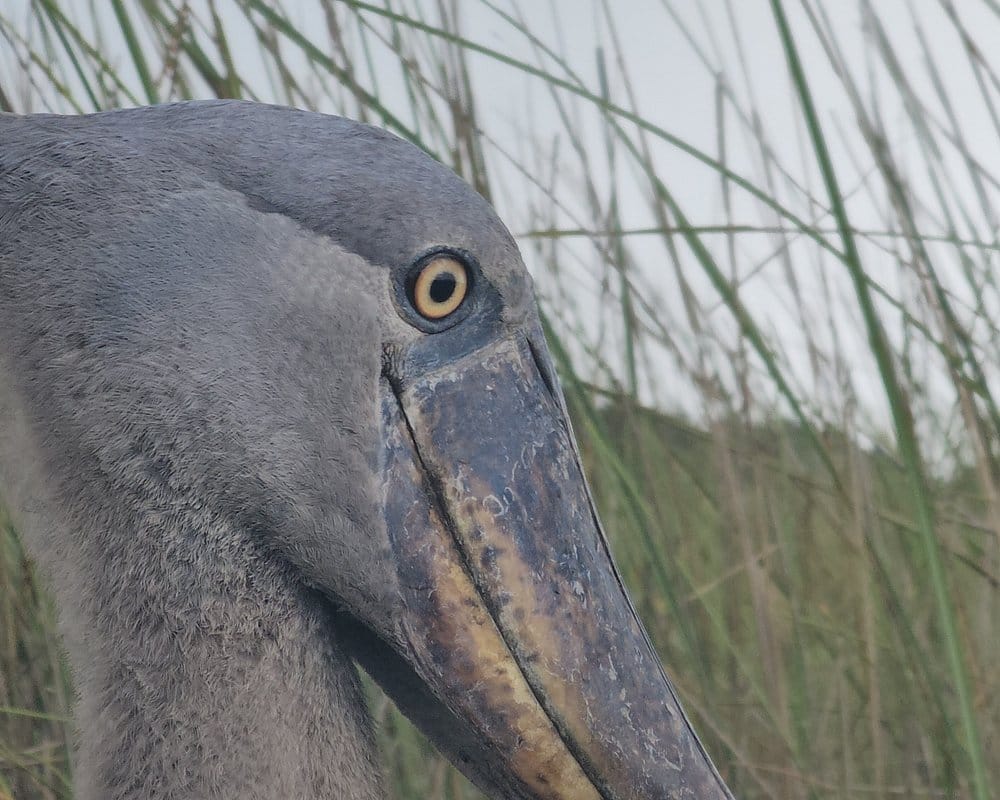
Whether you want to follow gorillas into the forest, watch elephants beside a savannah waterhole, search for a shoebill, hike through mountain country or simply slow down beside a lake, the right season is the one that supports your idea of the journey.
Your next great story
Ready to plan your Uganda journey?
Tell Kingo Adventurers what you want to experience. We will help you choose the right route, season and pace for a journey built around you.