The safari story that goes further
Uganda has all the ingredients of a classic African safari, but its real distinction begins when you look beyond the Big Five. Here, a single journey can move from the calls of chimpanzees in Kibale to mountain gorillas in Bwindi, from a prehistoric-looking shoebill in a papyrus wetland to tree-climbing lions in Ishasha.
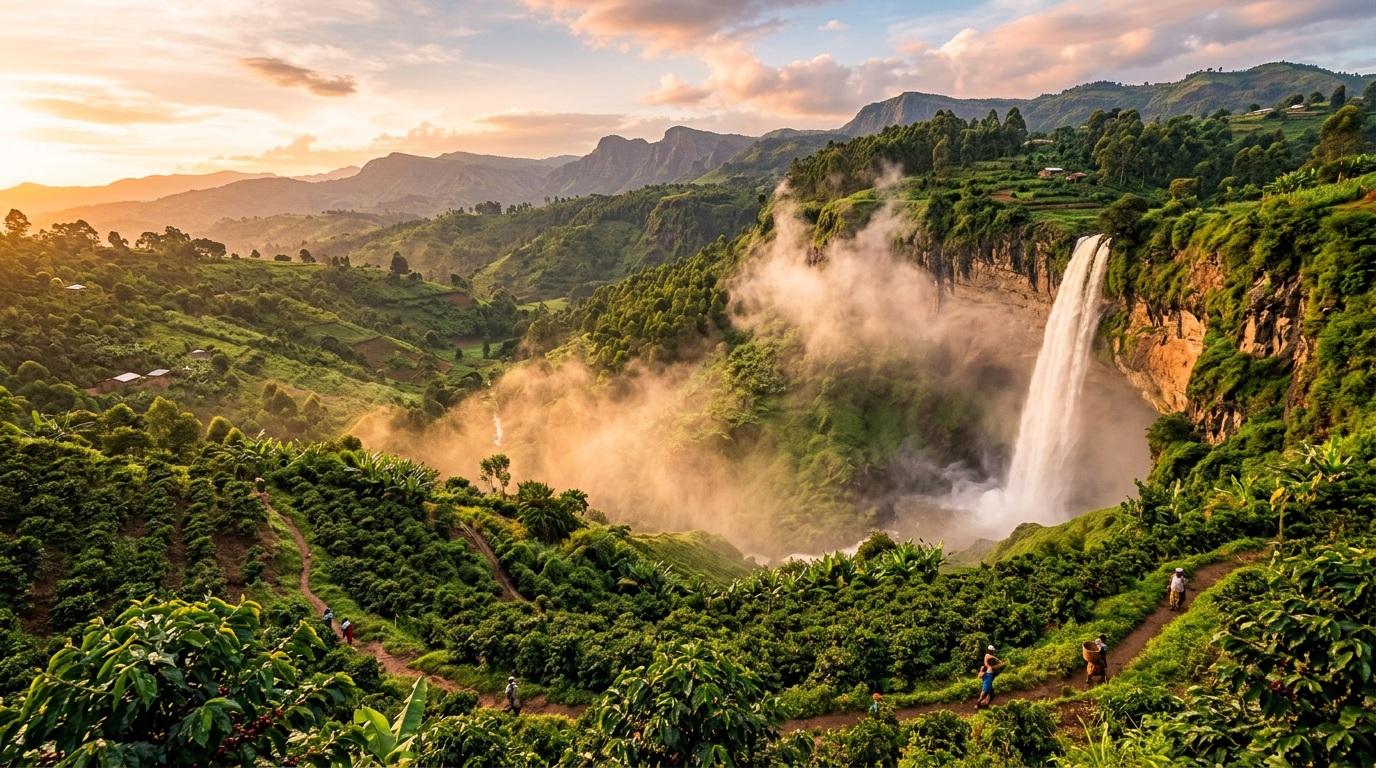
Then the scenery changes again: the Nile surges through Murchison Falls, the Rwenzori rise into the clouds, Sipi's waterfalls spill down the slopes of Mount Elgon, and village, food and cultural experiences give the journey a distinctly Ugandan human dimension. Uganda Tourism Board highlights wildlife, mountains, water and adventure, cultural heritage and community experiences as part of the country's wider tourism offering.
What does “beyond the Big Five” really mean?
The Big Five — lion, leopard, elephant, buffalo and rhino — remain compelling, and Uganda offers excellent opportunities to see them. But a Uganda safari becomes much more distinctive when the itinerary is designed around the country's other great assets rather than treating them as optional extras.
Think of the difference between seeing wildlife and entering a landscape. Gorilla trekking is a forest journey. Chimpanzee tracking is a listening exercise. Shoebill watching is a patient wetland expedition. Rwenzori trekking is a mountain undertaking. A cultural encounter can turn a beautiful landscape into a place with memory, meaning and human connection.
The classic safari
Game drives across savannah and woodland in search of large mammals. Essential, exhilarating and never quite predictable.
The Uganda difference
Great apes, rare birds, forests, mountains, rivers, crater lakes, adventure and living cultural landscapes woven into the same journey.
Eight experiences worth travelling for
If you have already seen a traditional safari brochure, this is where Uganda starts to become especially interesting. These are the experiences that can turn a familiar wildlife holiday into something much more layered.

Mountain gorillas
Walk into the misty mountain forests of southwestern Uganda and spend precious time with a habituated gorilla family. Uganda Wildlife Authority says gorilla tracking takes place in Bwindi Impenetrable National Park and Mgahinga Gorilla National Park.
Great ape · Forest · TrekkingImage: Wikimedia Commons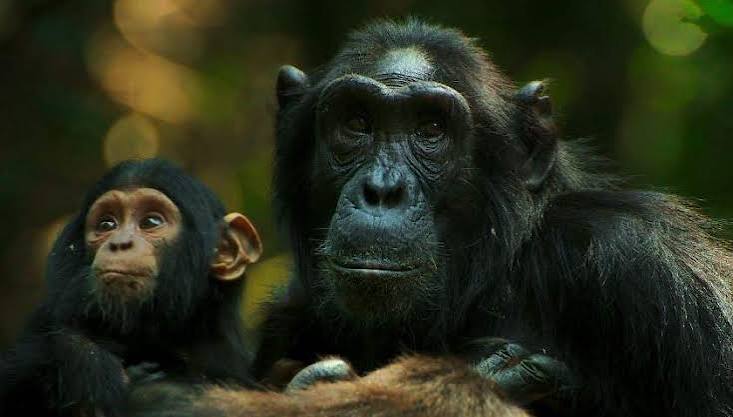
Chimpanzees
Follow calls and movement through one of Uganda's great rainforest landscapes. Kibale is a flagship destination for chimpanzee tracking and habituation, with a wider primate story running through the forest.
Primates · Rainforest · Tracking
The shoebill
Few birds feel as improbable as the shoebill. A wetland excursion around Mabamba on Lake Victoria adds a completely different mood to a safari: quiet water, papyrus channels and one extraordinary bird.
Birding · Wetlands · Lake VictoriaImage: Wikimedia Commons · CC BY-SA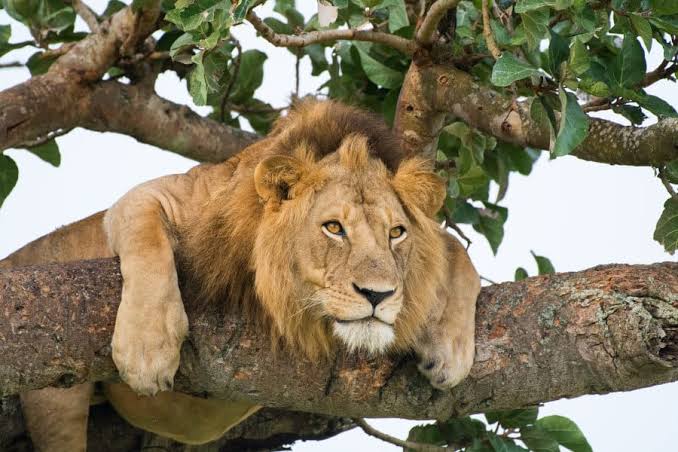
Lions in the trees
In the Ishasha sector of Queen Elizabeth National Park, the safari can literally look upwards. Tree-climbing lions are one of Uganda's most atmospheric wildlife spectacles and a reminder that animal behaviour is often more interesting than a checklist.
Wildlife · Ishasha · Photography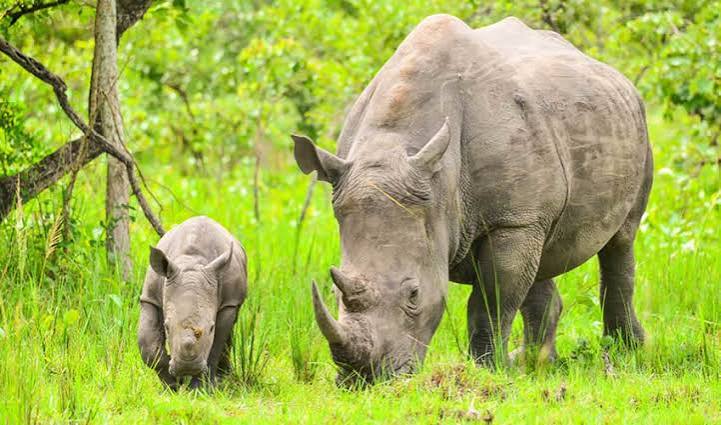
Rhino conservation
Ziwa Rhino Sanctuary offers a different kind of wildlife encounter: walking in a protected conservation landscape and learning how Uganda's white rhino recovery is being supported through protection, monitoring and tourism.
Conservation · Walking · Rhino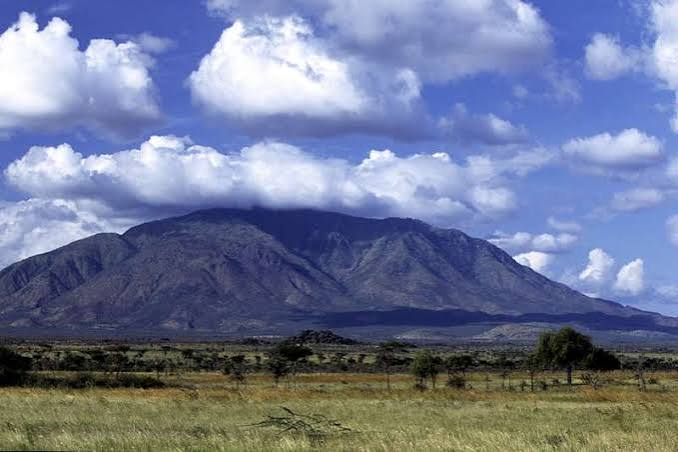
Waterfalls, coffee & highlands
Sipi Falls is a chance to slow the safari down: walk between waterfalls, explore coffee-growing country and look across the escarpments of eastern Uganda. The landscape itself becomes the attraction.
Waterfalls · Coffee · Hiking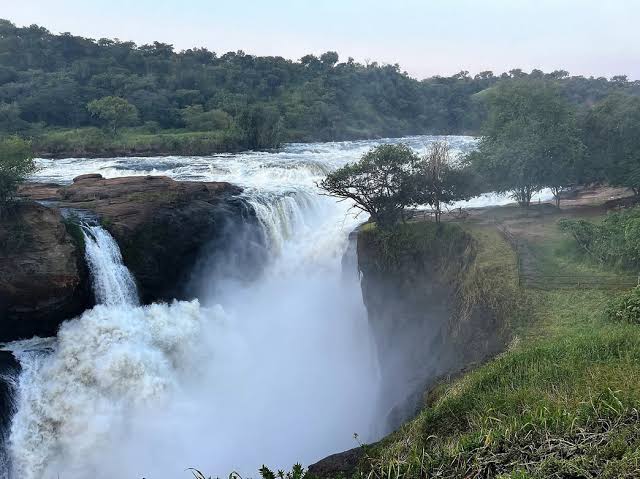
The Nile in motion
A boat journey towards the base of Murchison Falls changes the scale of the safari. Hippos, crocodiles, birds and river scenery unfold around you before the Nile is forced through the dramatic gorge.
Nile · Boat safari · Falls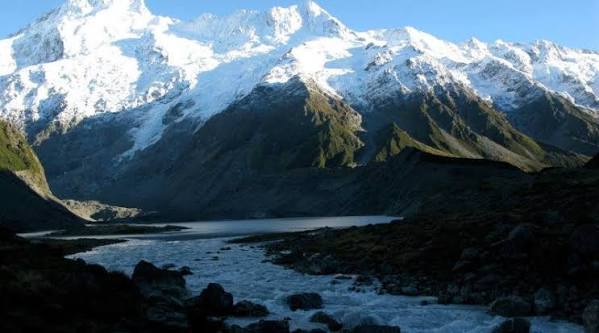
The Mountains of the Moon
For travellers who want the journey itself to be the adventure, the Rwenzori offer forest, giant vegetation, high-altitude terrain and the drama of Africa's legendary mountain range.
Mountains · Trekking · LandscapesImage: Ayeba Zion HotelUganda's great primate story
Uganda's strongest argument beyond the Big Five may be its primates. Mountain gorillas occupy the high forests of Bwindi and the Virunga landscape of Mgahinga, while Kibale is one of the country's signature chimpanzee destinations. UWA describes Uganda as home to more than half of the world's mountain gorilla population and highlights Kibale's importance for chimpanzee tracking.
For the traveller who watches the smaller world
Uganda is also a birding destination of exceptional range. Wetlands, rainforest, savannah, montane forests and lakes create opportunities to build a safari around specialist birding or simply let remarkable species become part of a broader itinerary. Tourism Uganda notes more than 1,000 bird species recorded in the country, reflecting Uganda's position between major ecological zones.
Look for specialist wetland birds, with the shoebill among the most sought-after sightings.
Southwestern forests reward patient birders with a rich mixture of forest species and regional endemics.
Kibale, Bwindi and other forest landscapes bring birds into a very different safari rhythm.
Open country and river corridors add raptors, waterbirds and species associated with grassland habitats.
When wildlife is not enough: add adventure
Uganda's landscapes are made for active travel. The Nile invites rafting and river experiences; Sipi offers hiking and abseiling; the Rwenzori invite multi-day mountain trekking; forests and crater-lake country reward walking and cycling. Uganda Tourism Board currently presents rafting, Rwenzori hiking, bungee jumping and zip-lining among the country's adventure experiences.
| Landscape | Experience | Why it changes the safari |
|---|---|---|
| Nile / Jinja | Rafting, river experiences, adventure | Introduces speed, water and adrenaline after slower wildlife days. |
| Rwenzori | Mountain trekking | Turns the journey into a physical expedition through changing altitude and vegetation. |
| Sipi / Elgon | Hiking, waterfalls, coffee | Combines scenery, walking and agriculture in an intimate highland setting. |
| Crater-lake country | Walks, cycling, viewpoints | Slows the pace and gives the traveller time to notice the landscape itself. |
The people make the landscape complete
A safari can be visually spectacular and still feel incomplete if every day is spent looking through a vehicle window. Uganda's cultural experiences bring another dimension: food, music, craft, storytelling, community encounters and the living histories of the people whose homes surround the country's protected landscapes.
The goal should not be to treat culture as a staged interruption between wildlife activities. The strongest experiences are those where the place, people and landscape naturally belong together — a community visit near a forest, coffee with a farmer in the highlands, a craft tradition encountered with context, or a carefully guided cultural experience that allows genuine exchange.
How to design a truly beyond-the-Big-Five safari
The secret is not simply adding more activities. It is choosing a sequence in which every day feels different from the one before it.
A sample 10–12 day rhythm
For travellers who want variety without turning the journey into a race, a western Uganda circuit can be structured around a sequence such as this. Exact routing should be adjusted for permits, flight schedules, road conditions, lodge preferences and the experiences that matter most to you.
Settle into Uganda, then introduce the safari with Nile scenery, game viewing and the drama of the falls.
Move into rainforest country for chimpanzees, forest walks and a slower primate-focused rhythm.
Return to open landscapes for game drives, the Kazinga Channel and the possibility of Ishasha's tree-climbing lions.
Enter the mountain forests for gorilla trekking and the landscapes of southwestern Uganda.
Choose culture, Lake Bunyonyi, a highland experience, a return to Entebbe or an additional adventure depending on your interests.
Why this wider approach matters
Wildlife tourism works best when travellers understand that animals, forests, wetlands, communities and protected areas are part of one connected system. Uganda Wildlife Authority's mandate includes sustainable management of wildlife and protected areas and recognises community involvement, tourism development and conservation as interconnected priorities.
Choosing a longer, more varied safari can therefore do more than give you more photographs. It can distribute your time and spending across different landscapes, local businesses and experiences — while giving you a deeper understanding of why these places deserve to remain protected.
The Big Five may open the door to Uganda. The forests, birds, mountains, rivers, people and primates are what make you want to stay.
Your Uganda, beyond the checklist
Go beyond what you came to see.
Tell us what excites you — great apes, rare birds, mountains, rivers, culture, classic wildlife or a little of everything. Kingo Adventurers can shape a Uganda journey around the experiences you will remember long after the safari ends.
Planning note: park access, permits, visitor procedures, conservation regulations, activity availability and prices can change. Confirm current requirements with Kingo Adventurers and the relevant Ugandan authorities before travel.