Birding in Uganda

Where Uganda's wild wings gather.

From papyrus wetlands and ancient rainforest to Albertine Rift mountains, open savannah and the wild north, Uganda offers an extraordinary concentration of birdlife across remarkably different landscapes.

1,000+ recorded bird species Wetlands · Forests · Mountains · Savannah Uganda
A country built for birding

One country. Many bird worlds.

Uganda sits where several ecological regions meet, creating an exceptional mosaic of habitats. A single journey can move from papyrus wetlands alive with specialist birds, through lush rainforest and high mountain forest, into open savannah and the dry-country landscapes of the north.

For the serious birder, Uganda is not simply about ticking species. It is about following habitats, landscapes and ecological transitions and discovering how dramatically the country's birdlife changes with them.

1,000+ bird species recorded in Uganda
12 major birding regions featured here
6 major habitat worlds to explore
Major birding destinations

Follow the birds across Uganda.

These are the major birding landscapes that give Uganda its reputation among serious birdwatchers: wetlands, rainforest, Albertine Rift forests, mountains, savannah and the country's great lakes and rivers.

01 · Wetlands

Mabamba Swamp

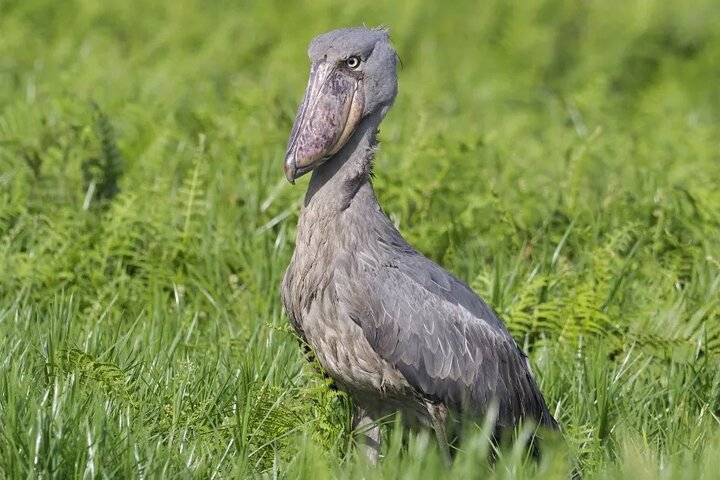
One of Uganda's signature wetland birding experiences and one of the country's best places to search for the iconic Shoebill.

Shoebill country
02 · Albertine Rift

Bwindi & Mgahinga

Exceptional montane forest birding with Albertine Rift endemics and specialist highland species.

Rift endemics
03 · Rainforest

Kibale & Bigodi

Lush forest and wetland habitats where colourful forest species, turacos and specialist wetland birds can be pursued.

Forest birding
04 · Congo-forest zone

Semuliki

A remarkable lowland forest environment where Uganda meets the biological influence of the Congo Basin.

Congo forest birds
05 · Nile wilderness

Murchison Falls

Vast savannah, riverine habitats, wetlands and the Nile create a diverse birding landscape in Uganda's largest national park.

Savannah & river
06 · Western Uganda

Queen Elizabeth

A rich combination of crater lakes, open country, woodland, wetlands and the bird-filled Kazinga Channel.

Kazinga & crater lakes
07 · Wetland & savannah

Lake Mburo

Acacia country, lakes, marshes and woodland provide a different birding character from Uganda's western forests.

Lakes & savannah
08 · Far north-east

Kidepo Valley

Uganda's remote dry-country birding frontier, with a distinctive northern assemblage and spectacular wilderness scenery.

Northern wilderness
09 · Central forest

Mabira Forest

A major central-forest birding destination within easy reach of Kampala and Jinja, rich in forest and canopy species.

Central forest
10 · Lake Victoria

Entebbe & Lakeshore

Botanical gardens, lakeshore habitats, wetlands and the wider Lake Victoria ecosystem make Entebbe a powerful birding gateway.

Lakeshore birding
11 · High mountains

Rwenzori Mountains

High-altitude forest and montane habitats offer specialist mountain birding and spectacular Rwenzori scenery.

Montane specialists
12 · Western Rift

Kazinga & Crater Lakes

Waterbirds, shoreline species, forest-edge birds and seasonal wetland activity combine across the Western Rift landscape.

Waterbird circuit
What you may come looking for

The birds that make Uganda unforgettable.

Some species have become synonymous with Uganda birding. Others represent entire habitats and ecological regions. The experience is about both: iconic targets and the unexpected discoveries between them.

Shoebill

The legendary swamp specialist and one of Uganda's most sought-after birds, particularly associated with Mabamba and other suitable wetland habitats.

Great Blue Turaco

A spectacular rainforest bird and one of the great visual rewards of western Uganda's forest birding.

Rwenzori Turaco

A highland specialist associated with the Albertine Rift and Rwenzori mountain forests.

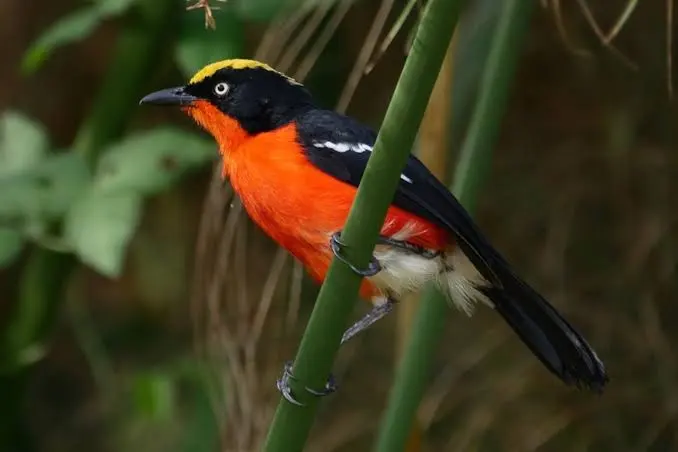
Papyrus Gonolek

A vivid wetland specialist that turns papyrus swamps into one of Uganda's most rewarding birding environments.

Shining-blue Kingfisher

A jewel-like forest and wetland kingfisher that demonstrates the extraordinary colour diversity encountered in Uganda.

Albertine Rift Endemics

Bwindi, Mgahinga and the wider Albertine Rift provide some of Uganda's most important opportunities for specialist endemic species.

Wetland & Waterbirds

Herons, egrets, kingfishers, waders, swamp specialists and other aquatic birds make Uganda's wetlands exceptionally productive.

Forest Specialists

Turacos, broadbills, sunbirds, flycatchers and other forest birds reward patient exploration beneath Uganda's ancient canopies.

Six worlds of birdlife

Change the habitat. Change the birds.

Uganda's greatest birding strength is ecological variety. Build a journey around one habitat or combine several for a far richer species list.

Wetlands

Papyrus swamps, marshes and shallow lakes harbour specialist wetland birds and some of Uganda's most iconic species.

Rainforest

Kibale, Bwindi, Semuliki and other forests provide deep-forest habitats for colourful and highly specialised species.

Mountains

The Rwenzori, Virunga and Albertine Rift landscapes open a completely different world of montane birding.

Savannah

Murchison Falls, Queen Elizabeth, Lake Mburo and Kidepo bring raptors, ground birds, woodland species and open-country specialists.

Northern wilderness

Kidepo's remote landscapes offer a distinctly different dry-country birding experience from Uganda's western forests.

Lakes & rivers

Lake Victoria, the Kazinga Channel and Uganda's many crater and Rift lakes create exceptional opportunities for aquatic and shoreline birds.

Specialist experiences

Go deeper than a standard safari.

Birding can be the central purpose of your journey or an expertly woven layer within a wider Uganda safari.

01

Shoebill Expeditions

Focus on Uganda's legendary Shoebill habitat, particularly the wetlands around Mabamba, with time dedicated to careful observation and photography.

02

Albertine Rift Birding

Explore Bwindi, Mgahinga and the wider mountain forests in search of specialised Rift and montane species.

03

Kibale & Bigodi

Combine rainforest and wetland habitats around Kibale for a rich forest-birding experience alongside Uganda's famous primate country.

04

Kazinga & Western Rift

Combine channel, crater-lake, woodland and savannah birding across one of Uganda's most diverse western landscapes.

Signature birding journey

Western Rift & Wetland Avian Adventure

A carefully paced five-day introduction to several of Uganda's most rewarding birding environments, combining western savannah, lakes, the Kazinga Channel and a dedicated Shoebill expedition.

Day 01 Entebbe → Lake Mburo · lakeside, woodland and savannah birding
Day 02 Lake Mburo → Queen Elizabeth · western savannah and wetland habitats
Day 03 Crater-lake circuit · seasonal wetland and open-water birding
Day 04 Kazinga Channel · waterbirds, shoreline species and surrounding habitats
Day 05 Mabamba Swamp · dedicated Shoebill expedition before returning to Entebbe
The Kingo approach

Birding with patience, place and purpose.

We follow habitats.

Rather than treating birding as a checklist alone, we build journeys around the ecological landscapes that make particular species possible.

We make time for observation.

Good birding is rarely about rushing from one sighting to another. We allow time for calls, movement, habitat behaviour and photography.

Uganda comes first.

Our birding journeys are built around Uganda's extraordinary natural heritage, from Lake Victoria and the central forests to the Albertine Rift and the far north.

Your Uganda birding journey

Come looking. Leave remembering.

Tell us the birds, habitats, landscapes or regions you want to experience. We will shape the journey around your interests, available time and preferred pace.

Start planning
Some bird imagery is sourced from Wikimedia Commons under Creative Commons licences, including imagery by Giles Laurent and Tom Tarrant. Individual source and licence information is available from the respective Wikimedia Commons file pages.